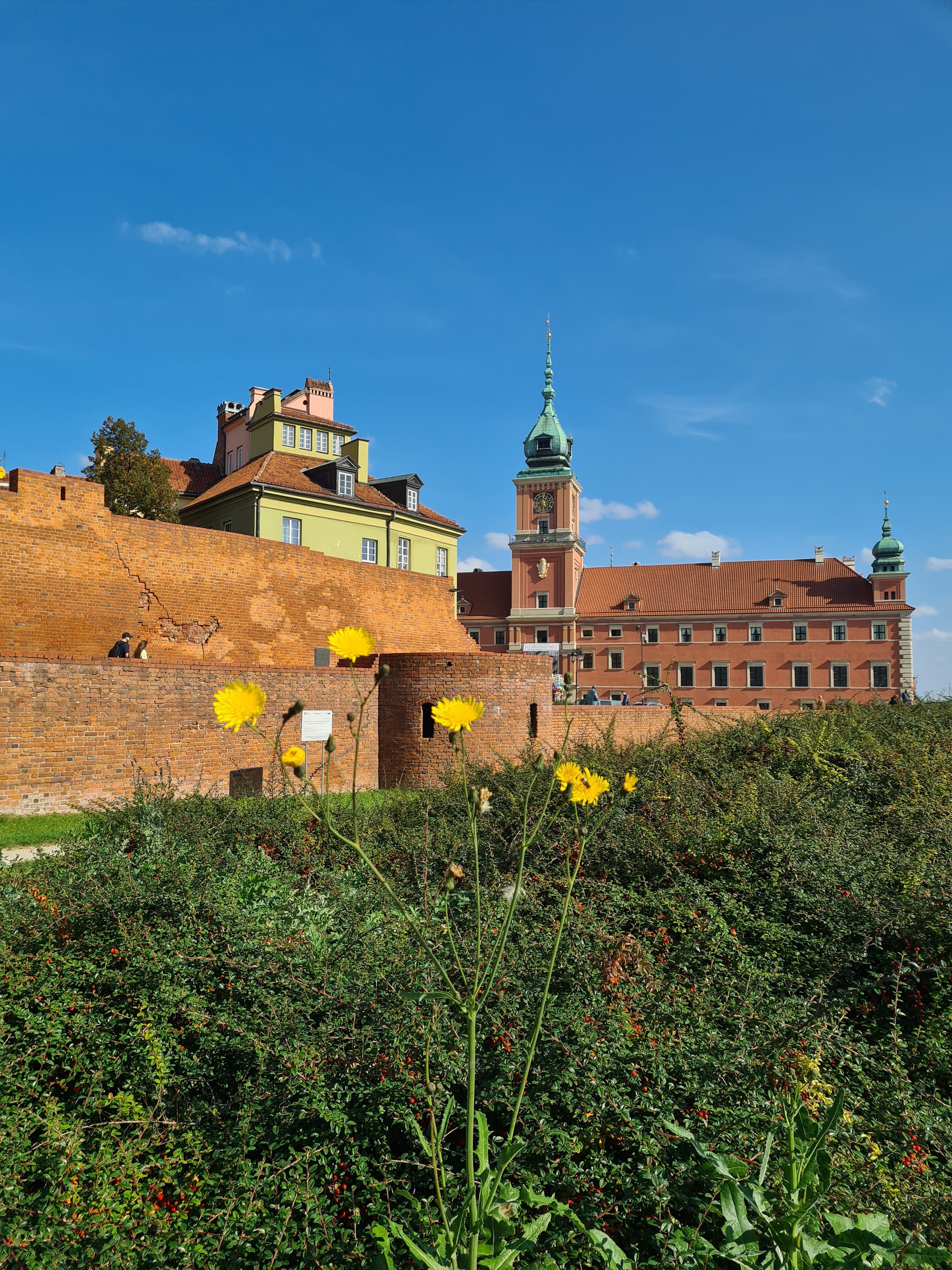
Discover Wartime Damage and Restoration
Follow one of Warsaw’s most recognisable symbols through destruction and rebuilding. The monument was severely damaged during the Second World War. The king’s statue returned to Castle Square in 1949. Earlier shaft fragments displayed near the castle help visitors connect the reconstructed landmark to its material past.
Visit tips
Look for preserved fragments near the Royal Castle’s southern wall; access and display arrangements should be checked on site.
Why it stands out
- The wartime fall of the column
- Post-war return of the statue in 1949
- Historic shaft fragments by the castle wall
About the place · Management and care
About Wartime Damage and Restoration
Managed or overseen by: City of Warsaw — public monument setting
This guide focuses on Sigismund’s Column in Castle Square. The City of Warsaw is responsible for the public urban setting, with maintenance and access handled by the relevant municipal services. Individual monuments, buildings and event installations may have separate custodians.
History and local significance
Warsaw’s centre suffered catastrophic damage during the Second World War, and Sigismund’s Column was among the monuments brought down. The king’s figure returned to Castle Square in 1949. Later reconstruction of the surrounding urban fabric means today’s scene combines restored historic forms with post-war decisions about memory.
At a glance
- Destination
- Wartime Damage and Restoration
- Area
- warsawPoland
- Guide type
- Monument history
- Navigation
- Google Maps for this location ↗
When to go and what to budget
This is a themed visitor guide, not a separately ticketed attraction. The outdoor Sigismund’s Column and Castle Square setting can be viewed during a self-guided walk, while any museums, transport services, cafés or other stops mentioned in the itinerary set their own hours and prices. Check the individual operator’s current information before travelling.
Getting started and local transport
Combine this stop with a walk through the reconstructed Old Town. Most historic Old Town streets around Castle Square are best explored on foot. For bus, tram, metro or parking decisions, consult Warsaw’s current transport information and follow signs for the pedestrian approach.
History, design and setting
This is an opportunity to distinguish restoration from preservation. Material fragments, archival photographs and rebuilt elements each supply different evidence. The older shafts near the castle are particularly tangible reminders that a recognisable landmark can contain several historical layers.
Highlights and what to notice
- Look for repaired or replaced materials without treating every visual change as wartime damage.
- Use archival photographs to compare the 1945 square with its current form.
- Consider why rebuilding the column became symbolically important even before the Royal Castle was fully restored.
Planning your visit
Look for preserved fragments near the Royal Castle’s southern wall; access and display arrangements should be checked on site.
Check any venue's current opening information, ticket requirements and temporary access notices before setting off. Outdoor public spaces and staffed attractions may follow different rules.
Visitor essentials
Wear comfortable shoes for cobbled streets, allow extra time during crowded events and bring clothing suited to the forecast. Check each indoor venue’s accessibility and photography policies separately. If visiting with children or limited mobility, choose a shorter loop with convenient rest stops.
Walking route: step by step
Combine this stop with a walk through the reconstructed Old Town.
- 1Start at the reconstructed monument.
- 2Locate historic shaft fragments by the Royal Castle wall.
- 3Compare a reliable wartime photograph with the same viewing direction.
- 4Continue to Museum of Warsaw for the broader reconstruction story.
Photography viewpoints
Make a paired composition of the present column and the surviving fragments.
Keep paths and entrances clear while framing your shot, and follow posted restrictions for museums and places of worship.
Where to stay and how to find the area
Old Town accommodation gives easy walking access to Castle Square, whereas a hotel near central Warsaw’s rail and metro connections may suit a wider itinerary. Historic properties can have stairs and restricted vehicle approaches; verify the exact address and arrival arrangements before booking.
Before you go: common questions
When did the statue return?
The statue was restored to Castle Square in 1949.
Did the entire square survive the war intact?
No. The Old Town and castle precinct experienced severe destruction and extensive post-war reconstruction.
Where should I navigate?
Use the destination-specific map link for Sigismund Column Castle Square Warsaw Poland, rather than the map pin for Sigismund’s Column or a different Warsaw attraction.
What else fits into the same visit?
Combine this stop with a walk through the reconstructed Old Town.
Explore more nearby attractions
Continue your Warsaw visit with a destination-specific guide. Each link covers its own history, visitor information, walking approach and Google Maps location.
- Warsaw Old Town Defensive Walls →
- St. Anne’s Church Viewing Terrace →
- Our Lady of Graces Jesuit Church →
- St. Martin’s Church on Piwna Street →
- Kanonia Wishing Bell →
- Gnojna Góra Viewpoint →
- Castle Square Warsaw →
- Royal Castle in Warsaw →
- St. Anne’s Church Warsaw →
- Warsaw Old Town Market Square →
- Warsaw Mermaid Statue →
- Warsaw Barbican →
- St. John’s Archcathedral →
- Kanonia Square →
- Museum of Warsaw →
- Krasiński Palace Warsaw →
- Presidential Palace Warsaw →
- Adam Mickiewicz Monument Warsaw →
- Magdalena Abakanowicz Pedestrian and Bicycle Footbridge →
- Multimedia Fountain on the Vistula Boulevards →